
Before you book
Questions People Ask.
The things people ring up and ask, answered properly. If yours is not here, ring the clinic. Nobody will try to book you in for asking a question.
- Age
- 18 and over, photo ID required
- Consultation
- Always first, always in person
- Treated on the day
- No
- Ask anything
- 01233 225684
01Still Not Sure?
Ring the clinic on 01233 225684, message on WhatsApp, or send an enquiry. Lindsay answers her own enquiries, and asking a question does not put you on a list or start a follow-up campaign.
83 questions
Before You Come
No. A good number of the people Lindsay sees are having their first appointment, and plenty have been thinking about it for years. There is no waiting area, nobody else in the building and no one watching. You can come simply to ask questions and go away.
Not if it is planned properly. The results people notice and dislike are almost always one area treated in isolation, or a face treated to a trend rather than to its own proportions.
No. What changes is the plan, not whether there is one. Skin quality often matters more than volume at that stage, and you will be told which would actually help.
Yes, and it happens often. It is one of the reasons people come back.
No. A face-to-face consultation comes first, always, with a gap before treatment. For prescription treatments the prescriber must also see you in person, and it is how this clinic has always worked.
Because those treatments are prescription-only, and UK law does not permit prescription medicines or their prices to be advertised to the public. Ring the clinic or ask at your consultation and you will be told immediately.
Treatments are for adults aged 18 and over. Photo ID is required at consultation, without exception.
For some treatments, yes. Ask at your consultation and you will be told what applies to your own plan.
Contact the clinic. Always, and without worrying about bothering anyone. The aftercare guide sets out what is expected and what is not, including the signs that need urgent attention.
Yes, fully, for every treatment offered here.
Dermal Filler and Lips
It varies a great deal by area, product, how much is used, your metabolism and your lifestyle. Lips and other areas that move a lot fade fastest; structural work on a chin or jawline lasts longest. Expected longevity for your plan is discussed at consultation rather than promised on a page.
Most people tolerate it well. Many products contain a local anaesthetic, and further comfort measures are available depending on the area being treated. Your comfort is discussed before anything starts.
Some swelling, redness, tenderness or bruising can happen. How much varies by person and by area. Lips swell the most and the most visibly. You are given aftercare advice for your specific treatment before you leave.
Some improvement is usually visible straight away, but the final result should only be judged once the initial swelling has settled. That takes several days, and longer in some areas.
Yes. Filler often forms part of a wider plan alongside skin boosters, microneedling, dermaplaning, a peel or treatment for lines and wrinkles. Any combination is planned with intervals that suit your skin, not squeezed into one appointment.
No. A full consultation and health history are completed first to establish whether it is appropriate for you, and there are people who are told it is not.
No. Every treatment here starts with a face-to-face consultation and you go away and think about it. That is how this clinic has always worked.
Treatments are for adults aged 18 and over, and photo ID is required at consultation.
Not if it is done properly and in proportion. The lips people notice are almost always over-filled or out of proportion with the face, and both are avoidable.
Noticeably, for the first two or three days. Lips swell more than anywhere else treated, and it looks alarming before it looks right. Plan around it.
Lips are the most sensitive area treated here, so they are numbed beforehand and the product itself contains a local anaesthetic.
Usually six to twelve months. Lips fade faster than anywhere else because they never stop moving.
Hyaluronic acid filler can be dissolved if there is ever a reason to, and that is part of what is explained to you before you consent.
No. Consultation first, then a gap, then treatment. That is how this clinic works.
Lines and Wrinkles
Yes. Keeping your expressions is the entire point, and a result that stops your face moving is a badly planned one rather than a strong one.
The first change usually appears somewhere between three and seven days, and the full effect at about two weeks. It does not happen on the day.
Around three to four months for most people, depending on the area, how strong the muscle is and how you metabolise it.
It is quick and most people find it very manageable. The areas differ and your comfort is discussed before anything starts.
No. A face-to-face consultation comes first, always, and there is a gap before treatment. For a prescription-only treatment the prescriber must also see you in person, and that is how this clinic has always worked.
Because the treatment is a prescription medicine and the law does not allow prescription medicines to be advertised to the public, which includes their prices. Ring the clinic or send an enquiry and you will be told immediately.
No. A full health history and an in-person assessment are completed first, and there are people who are told it is not appropriate for them.
Treatments are for adults aged 18 and over, and photo ID is required at consultation.
Threads and Fat Dissolving
The threads themselves absorb over six to eight months. The collagen they build stays, so results usually hold for twelve to eighteen months.
The area is numbed first. Most people describe pressure and pulling rather than pain, and tightness for a few days afterwards.
No. They are ultra-fine and transparent, and once placed they cannot be seen.
No. It is a non-surgical lift for early softening, and it is honest to say it does not do what surgery does. Where laxity is significant you will be told that threads are not the right answer.
Often, yes. Threads for lift alongside skin boosters or microneedling for quality is a common plan, staged over weeks rather than done together.
No. Every treatment here starts with a face-to-face consultation, and you go away and think about it.
The treated fat cells are removed rather than shrunk, so the result lasts provided your weight stays stable. Significant weight gain can affect it.
Noticeably, for around a week. The swelling is how the treatment works, and you should plan around it rather than be surprised by it.
Usually two to four, four to six weeks apart, depending on the size of the pocket and how you respond.
No. It treats a small, localised pocket. Weight management is a separate consultation and a separate page.
No. Every treatment here starts with a face-to-face consultation.
Skin: Microneedling, Peels, Boosters and PRP
It is uncomfortable rather than painful, and comfort measures are discussed with you beforehand. Dermaplaning itself is painless. Most people find it oddly relaxing.
No. Vellus hair grows back exactly as it was. It feels different for a few days because it has been cut straight across rather than tapering, and then it does not.
After dermaplaning alone, the same day. After microneedling, leave it at least 24 hours or for as long as you are advised.
Usually three to six, four to six weeks apart, depending on your skin and what you want changed. Some people come once before an event and that is a perfectly good reason too.
Yes, and it often is, with PRP for scarring, or as part of a plan alongside filler or a peel. Intervals are planned around your skin rather than your diary.
Microneedling is generally well tolerated across skin types, but every skin is assessed individually and the settings and products are chosen accordingly.
It depends entirely on the strength. Lighter peels often produce almost no visible peeling. Stronger ones do, over several days. You will be told which to expect before you book, so you can plan around it.
You will feel warmth, tingling or mild stinging while it is on. It is short-lived and most people find it very manageable.
Often yes, but this is exactly why assessment matters. Some skin types carry a higher risk of post-inflammatory pigmentation, and the peel is chosen accordingly.
For brightness, sometimes one. For pigmentation, texture or scarring, a course. The schedule is set after your skin consultation rather than sold as a package.
Not immediately, and how long depends on the peel. You will be given clear aftercare instructions for your specific treatment.
Sun protection, without exception, particularly when treating pigmentation. A high factor broad-spectrum SPF, every day, whatever the weather.
It varies with the product, your skin, your lifestyle and how you respond. Many people hold a result for several months, with maintenance treatments where they are worth having.
Most people describe it as very manageable. A topical anaesthetic and other comfort measures can be discussed where appropriate.
Some people do well with one. Others are advised to have a short course for the best result. That is decided after your skin is assessed.
Hydration and radiance often within the first few days. Firmness and overall quality continue improving over the following weeks.
Yes. Commonly with microneedling, dermaplaning, peels, filler or treatment for lines and wrinkles. Intervals are planned so nothing competes with anything else.
No, and it is important to be clear about that. It is a non-surgical skin rejuvenation treatment for hydration and skin quality. It does not replicate what surgery does.
It is the same as a routine blood test. Most people find the blood draw the easiest part of the appointment.
Because that is what it looks like. Once the centrifuge has separated your blood, the platelet-rich plasma is a clear golden colour. The nickname is about the appearance, not a claim about the results.
Usually three to six, four to six weeks apart, depending on the scar and how your skin responds.
Not quickly. Collagen remodelling is gradual, so improvement develops over the months following your course rather than in the days after a session.
No. That is the point of it. The plasma is separated from your own sample and returned to you within the same appointment.
Yes, and for scarring it usually is. The two are planned together because they work better that way.
Weight, and the Face After It
Because facial fat sits in separate structural pads, and they shrink faster than skin can shrink to match. It is the most common surprise for people who have lost a significant amount of weight.
For structural work, usually yes. For skin quality, usually no. That is exactly the kind of sequencing that gets worked out at consultation.
No, and it should not. The aim is to restore support where it was lost, not to fill a face out. Nobody wants their cheeks back.
Often, but carefully. It is delicate, it swells and bruises more, and the wrong treatment there is more visible than anywhere else on the face.
A staged plan usually runs across several months. That is deliberate. Everything at once produces a result that looks done.
Suitability is assessed at consultation and includes your weight and BMI along with your health history. There are people who are told a programme is not appropriate for them, and that is the assessment working correctly.
No. The consultation, the assessment, the review appointments and the support are the programme. Anything prescribed is one part of it and only where clinically appropriate.
That depends almost entirely on what changes alongside it, which is why maintenance is planned from the start rather than discussed at the end.
Because your programme depends on your assessment, and because UK law does not permit prescription treatments or their prices to be advertised publicly. Call the clinic and you will be told.
You are never locked in, but nothing prescribed should be stopped or changed without speaking to the person responsible for prescribing it first.
Rapid weight loss shows up in the face before anywhere else, and it takes most people by surprise. There is a page about exactly that, and it is worth reading before you start rather than afterwards.
For Men
Not if it is planned for a male face. The results that look obvious on men are almost always a brow that has been lifted when it should have been left alone.
Roughly one in five people having these appointments in the UK is a man, and it is the fastest-growing group. You will not be the first one Lindsay has seen today.
There isn’t one. One client at a time, and nobody else in the building.
Yes. There is a late clinic every Thursday until 9pm.
Possibly, and it tends to show more on male skin than female. You get honest recovery numbers before you book.
Nothing matches that word. Ring the clinic on 01233 225684 and ask.
Also worth reading
Where to Go Next


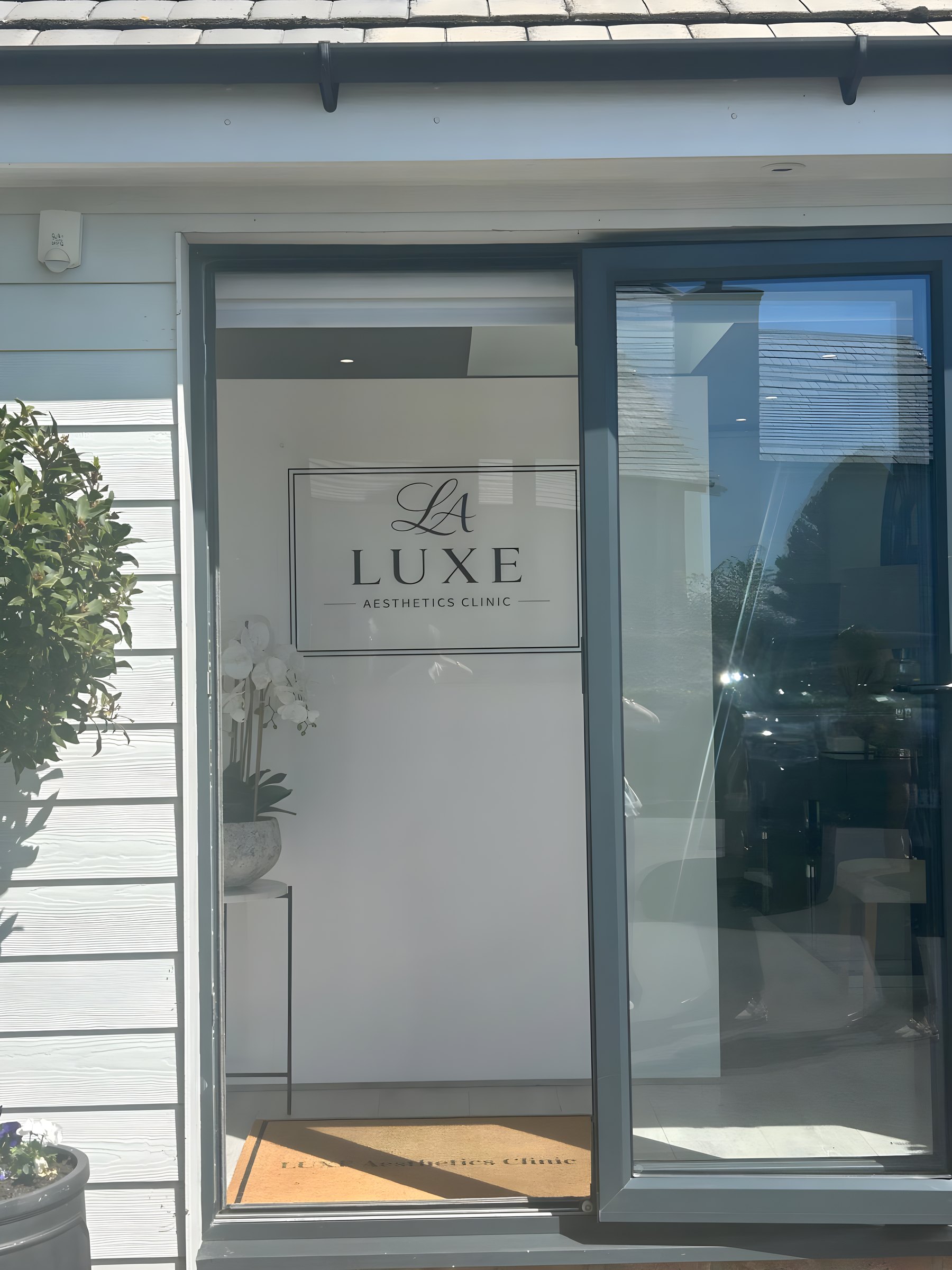
Come and see us
Start With a Conversation
Thirty minutes, no obligation, and no follow-up call chasing you. Book online, or ring and speak to Lindsay directly.
- Telephone
- 01233 225684
- Mobile & WhatsApp
- 07525 727767
- The clinic
- 30 Towner Close
Charing, Ashford, Kent
TN27 0BF
- Monday to Saturday
- 9am to 6pm
- Thursday
- Late clinic until 9pm
- Sunday
- Closed